Is Lake Forest Park Hillside Living Right for You?
May 14, 2026
May 14, 2026
Ever wonder why two homes in the same city can feel completely different the moment you pull up? In Lake Forest Park, hillside living often creates that difference right away, with winding roads, wooded lots, changing elevations, and the possibility of partial lake or territorial views. If you are thinking about buying or selling here, it helps to understand both the beauty and the practical realities of living on a slope. Let’s dive in.
Lake Forest Park sits at the north end of Lake Washington in a compact city of about 3.53 square miles. The landscape is defined by hilly valleys shaped by McAleer and Lyon Creeks, and city planning materials note steep slopes and landslide hazard areas in isolated locations.
That terrain is not an afterthought. City materials say sloped topographical conditions are prevalent throughout Lake Forest Park, and steep slope and landslide hazard areas are among the most widely designated environmentally sensitive areas in the city. In simple terms, the hills are part of daily life here.
Lake Forest Park developed in a way that followed the land instead of forcing a rigid grid onto it. According to city history, early planning directed lots to follow the contours of the topography and existing trees, and shoreline areas exposed after the lake level changed in 1916 were subdivided into view lots.
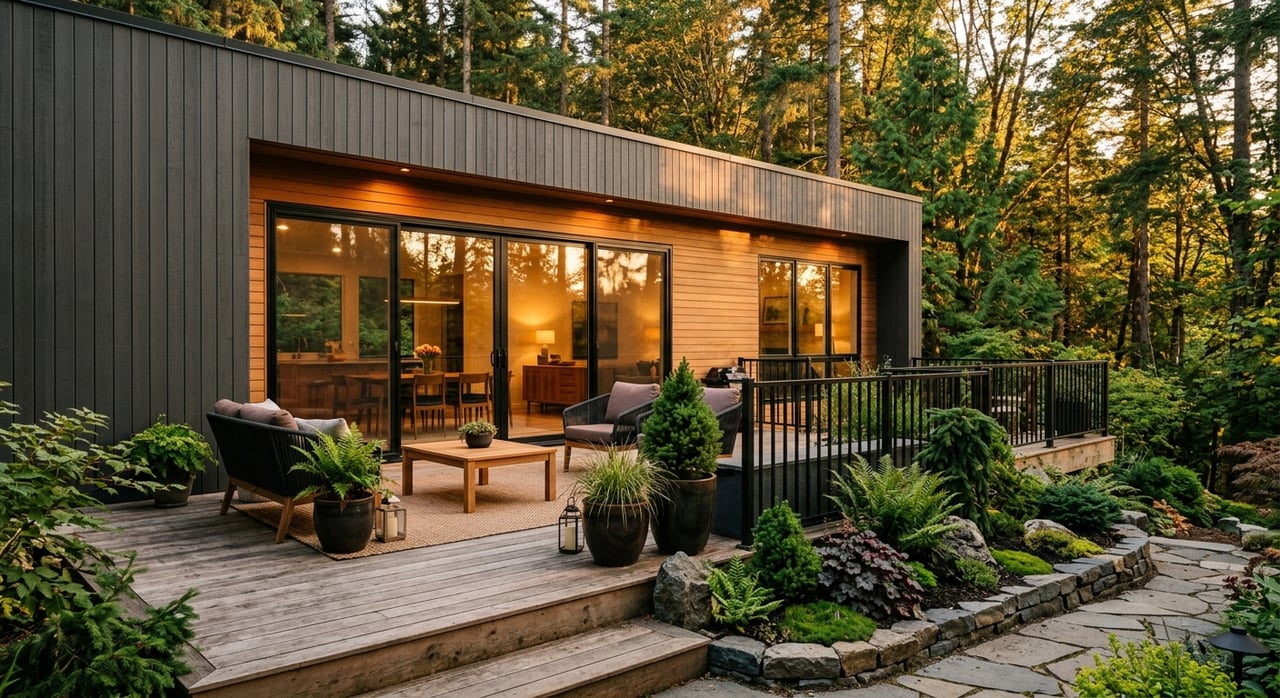
That history still shows up today. Many hillside homes feel wooded, tucked in, and somewhat irregular in layout or orientation. Instead of long, flat stretches of similar lots, you may find homes positioned to take advantage of privacy, light, or partial views.
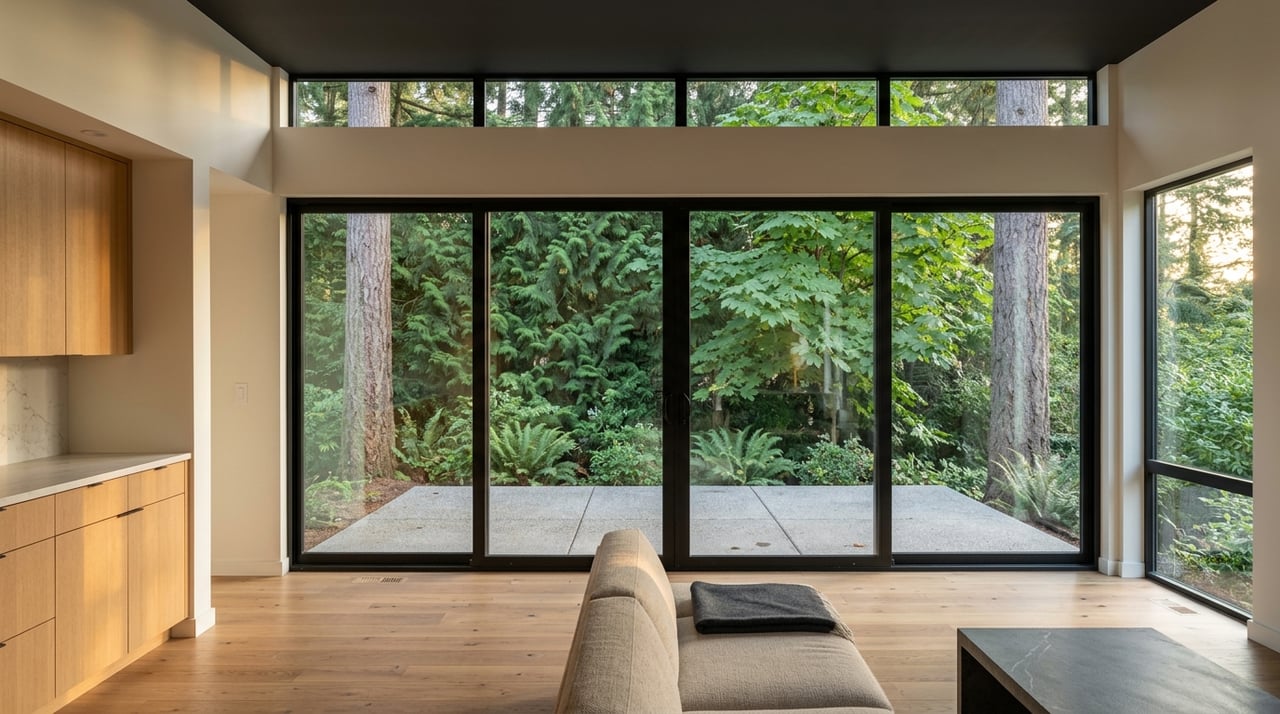
One of the biggest draws of hillside living in Lake Forest Park is the sense of immersion in nature. The city emphasizes environmental preservation and tree canopy, and that helps explain why many properties feel lush and sheltered.
If you love mature trees and a more natural setting, this can be a major plus. A hillside lot may feel quieter and more buffered from nearby homes, even when you are still connected to the larger Seattle-Bellevue-Everett region.
Views are part of the appeal, but they are not guaranteed forever. City guidance allows some limited trimming and pruning for views in certain cases if soils are not disturbed, which means a view corridor may require ongoing maintenance and may also be subject to rules.
For buyers, that means you should treat a current view as something to verify, not assume. For sellers, it helps to present any view honestly and clearly, with the understanding that trees and regulations both matter.
The heart of hillside living in Lake Forest Park is a tradeoff. You may get privacy, greenery, and view potential, but you also need to think about access, drainage, tree rules, and slope-related permitting.
That does not make hillside property a problem. It simply means the ownership experience is more tied to the land itself than it might be in a flatter neighborhood.
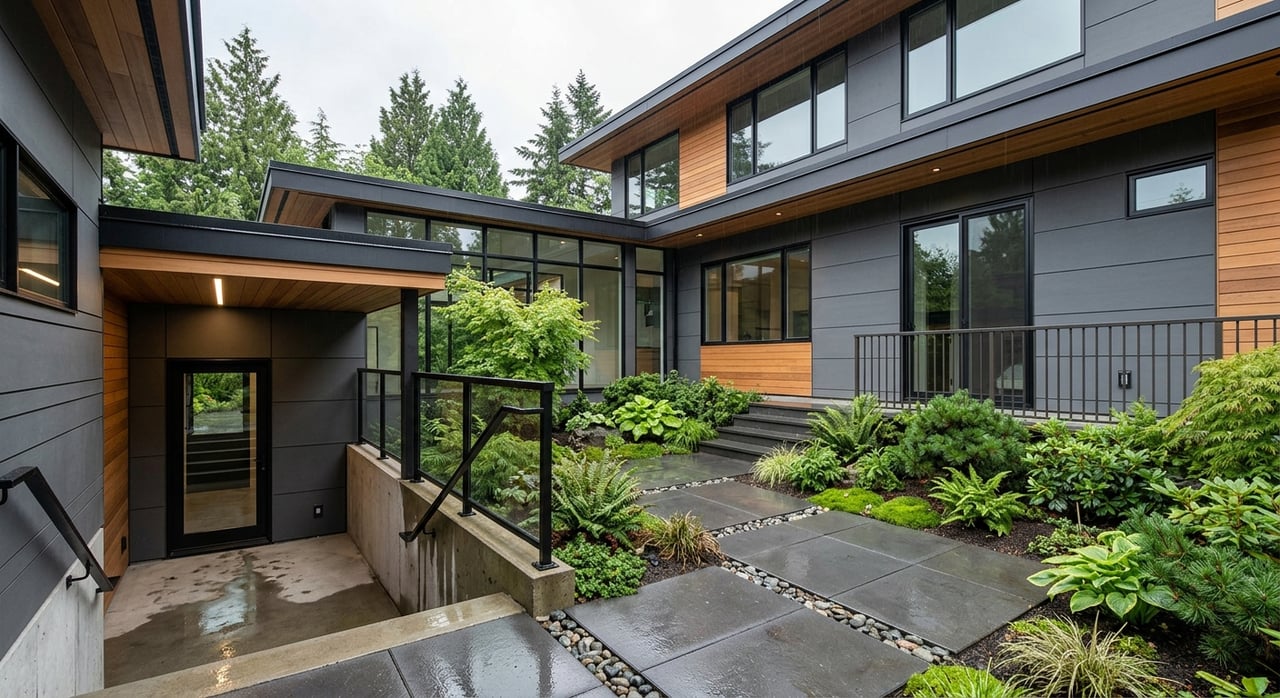
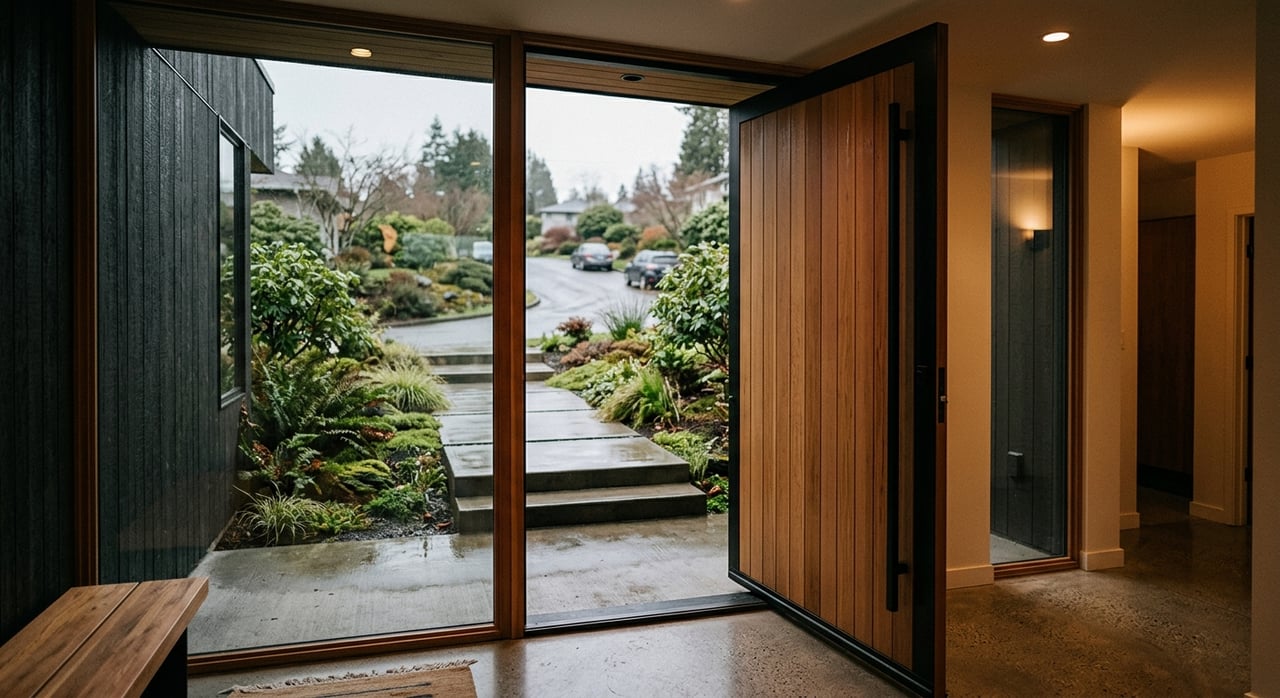
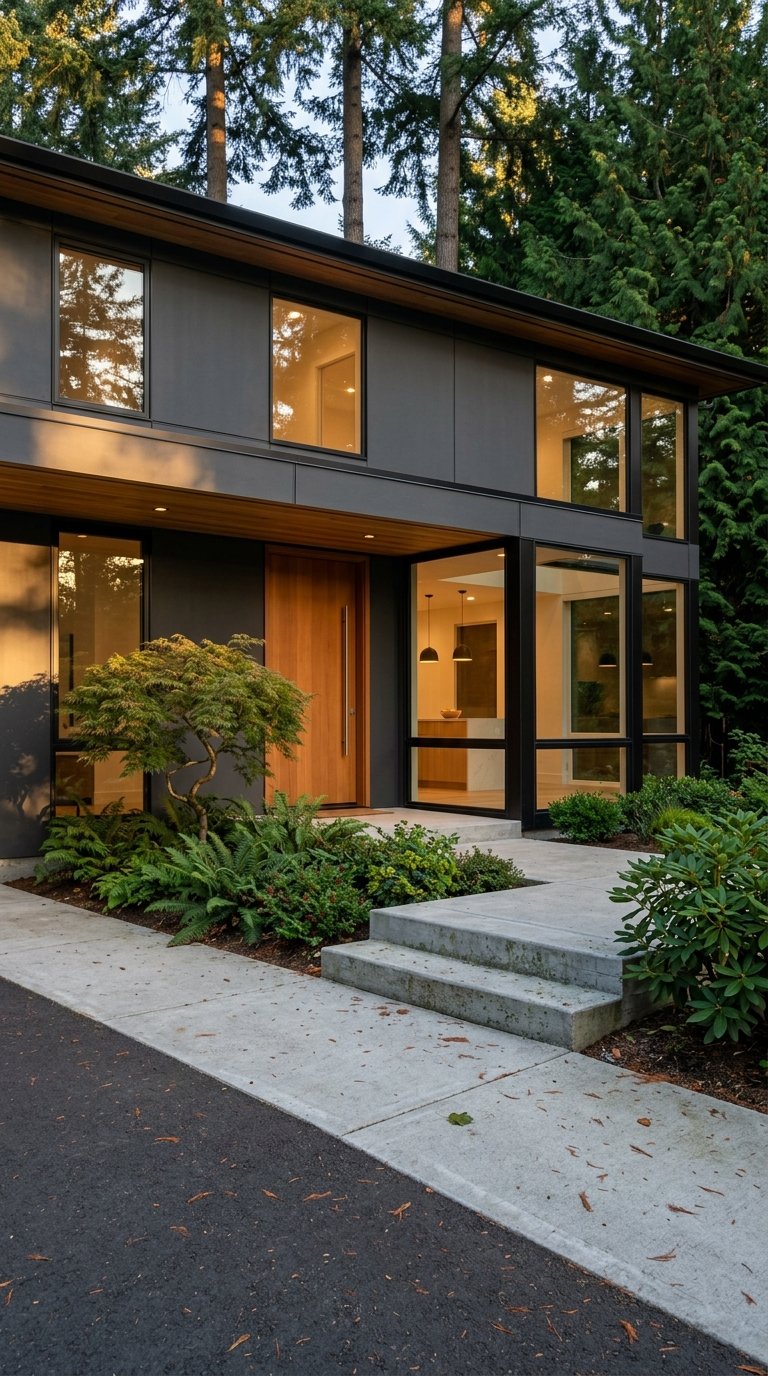
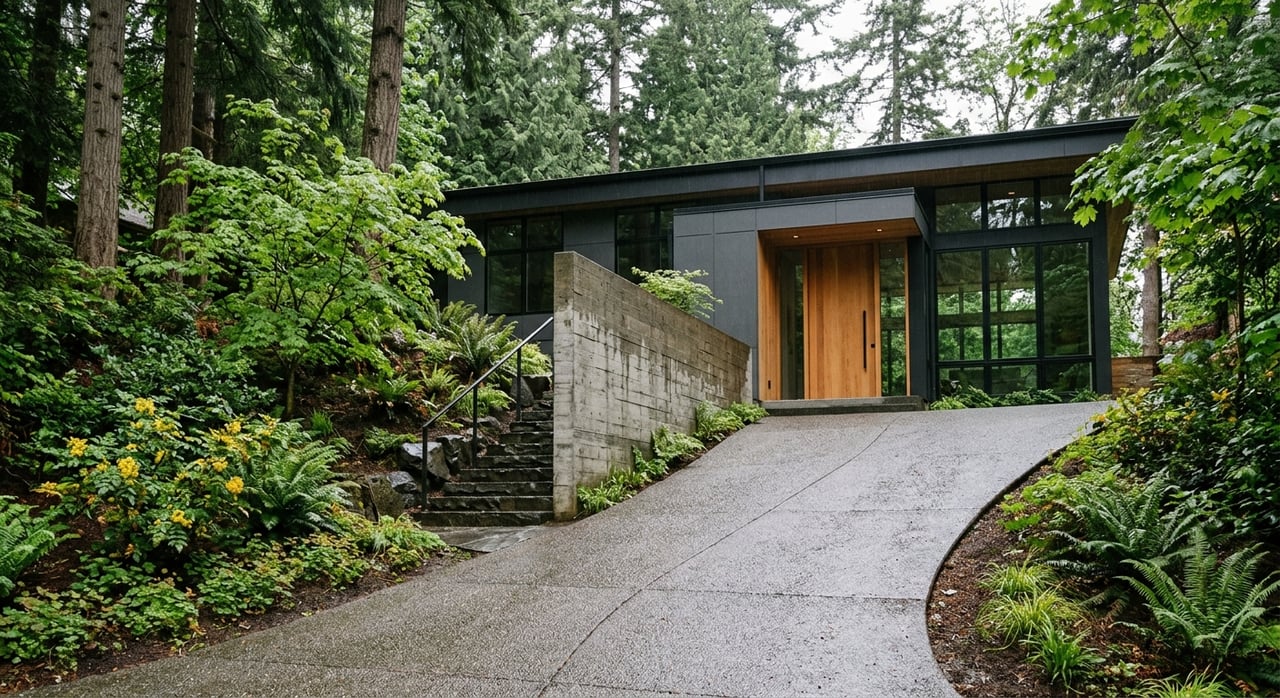
A hillside home can change small parts of your routine in ways that matter. The walk from the street to the front door may include stairs, the driveway may be steeper than expected, and landscaping often requires a little more intention.
At the same time, the setting can feel special. You may notice more tree cover, more shifting light through the day, and a stronger connection to the natural surroundings than you would on a flatter parcel.
On sloped property, water management is a regular concern. Lake Forest Park advises residents to direct downspouts at least 10 feet away from the home, keep leaves and debris out of storm drains, and leave natural vegetation on steep slopes and along streams and lakes because plants help slow runoff and reduce erosion.
For homeowners, that means drainage is not just a once-a-year issue. It is part of responsible upkeep, especially during the wetter months.
In Lake Forest Park, tree retention and tree work are closely managed. The city provides parcel-level canopy maps, and major tree removals require a city-arborist site visit and an arborist report.
That is important for both buyers and sellers. A property that feels beautifully wooded may also come with limits on how quickly you can open it up, change light patterns, or alter a view.
Living on a wooded hillside can also mean more interaction with urban wildlife. The city maintains a wildlife management plan and encourages residents to preserve the natural environment around their homes.
For many people, that is part of the appeal. It also means the landscaping approach that works best is often one that respects the site rather than trying to completely remake it.
If you are considering a hillside home in Lake Forest Park, a few questions can help you look beyond curb appeal. The goal is not to overcomplicate the process. It is to understand the property clearly before you commit.
Here are some of the most important things to verify:
Lake Forest Park says landslide hazard areas generally occur on slopes greater than 15 percent with certain soil or water conditions. Slopes of 40 percent or more with more than 10 feet of vertical height are also regulated as steep slope hazard areas.
The city also notes that most critical areas have buffers, and clearing and grading are not allowed within the critical area or its buffer. Many permitted alterations require a Critical Area Work Permit, so this is one of the first things to investigate when evaluating a lot.
Access can be more complicated on hilly lots than on flat ones. Lake Forest Park uses King County Road Standards 2021 and the King County Surface Water Design Manual 2016, and city materials show that driveway width, easements, steep grades, retaining walls, and safe two-way access can all become important in review decisions.
In one 2024 driveway-deviation decision, the city cited a minimum 18-foot paved driveway within a 20-foot easement for a joint-use driveway and referenced fire-apparatus access standards of 20 feet of unobstructed width. For a buyer, the takeaway is simple: verify how access works on the specific property, especially if the driveway is shared or constrained.
If you are selling a hillside home in Lake Forest Park, your property may offer a setting buyers cannot easily find elsewhere. Wooded privacy, changing topography, and view potential can create a memorable first impression.
At the same time, buyers are likely to ask practical questions. The more clearly you can address access, drainage, tree history, and any past geotechnical or retaining work, the easier it is to build confidence.
A hillside home often sells best when the setting is explained, not just photographed. Buyers benefit from understanding how the lot sits on the land, how they move from street to home, and what makes the property feel private or connected to nature.
This is where thoughtful listing preparation matters. Clear marketing and strong property presentation can help buyers appreciate the lifestyle while also understanding the details.
Because hillside properties come with more site-specific considerations, buyers may look closely at permits, reports, drainage patterns, and tree management. That is normal, and it is often a sign that they are taking the property seriously.
If you already have documentation related to the site, having it organized can make a real difference. Clarity helps create trust.
One of the interesting things about Lake Forest Park is that it can feel secluded without being isolated. City materials note that State Routes 522 and 104 run through the city and that the city is served by public transit.
So while hillside living here may feel wooded and tucked away, you are still connected to the broader region. That balance is part of what makes the area appealing to many buyers.
If you want a home that feels immersed in greenery and shaped by the land, Lake Forest Park can offer a distinctive experience. The terrain, trees, and view potential create a setting that feels different from more conventional flat-lot neighborhoods.
The key is to go in with clear eyes. When you understand slope conditions, access, drainage, and tree rules, you can better judge whether the lifestyle fits your goals.
Whether you are buying your first home, planning a move, or preparing to sell, hillside properties reward careful guidance and local context. If you want help understanding how a specific Lake Forest Park property fits your needs, The Koi Group is here to guide you with a thoughtful, relationship-first approach.
Stay up to date on the latest real estate trends.