Seattle Condo vs Townhome Buyers Guide for First-Time Buyers
May 7, 2026
May 7, 2026
Buying your first home in Seattle often starts with one big question: should you buy a condo or a townhome? If you are trying to balance budget, lifestyle, maintenance, and long-term resale, that choice can feel more complicated than it first appears. The good news is that once you understand how these homes are structured in Washington and how they tend to show up in Seattle neighborhoods, the decision gets much clearer. Let’s dive in.
For first-time buyers in Seattle, the biggest surprise is that condo and townhome do not always tell you everything you need to know. In Washington, a condominium is a legal form of ownership where your unit and its interest in the common elements are treated as a separate parcel of real estate.
That matters because the homeowners association usually maintains the common elements, while you maintain your own unit unless the declaration says otherwise. Washington resale rules also require important disclosures, including assessments, reserve study status, financial statements, insurance, litigation, and known violations.
A townhome is less standardized. In practice, a townhome may share walls with neighbors or stand more independently, and in Seattle-area listings, some townhomes are even categorized as condos.
The key takeaway is simple: do not rely on the listing label alone. Two homes that look similar on the outside can come with very different maintenance duties, HOA rules, and resale considerations.
If budget is your top concern, the current Seattle listing picture shows a noticeable gap between condos and townhomes. Seattle condos have a citywide median listing price of about $525,000, while Seattle townhouses show a median listing price of about $782,000.
That does not mean every condo is affordable or every townhome is out of reach. It does mean condos often create a lower entry point for first-time buyers who want to stay within Seattle city limits.
In Seattle condo submarkets, current median listing prices vary by neighborhood:
These are asking-price snapshots, not closed-sale medians, but they still help illustrate the range. For many first-time buyers, condos can open the door to central neighborhoods that may be harder to access with a townhome budget.
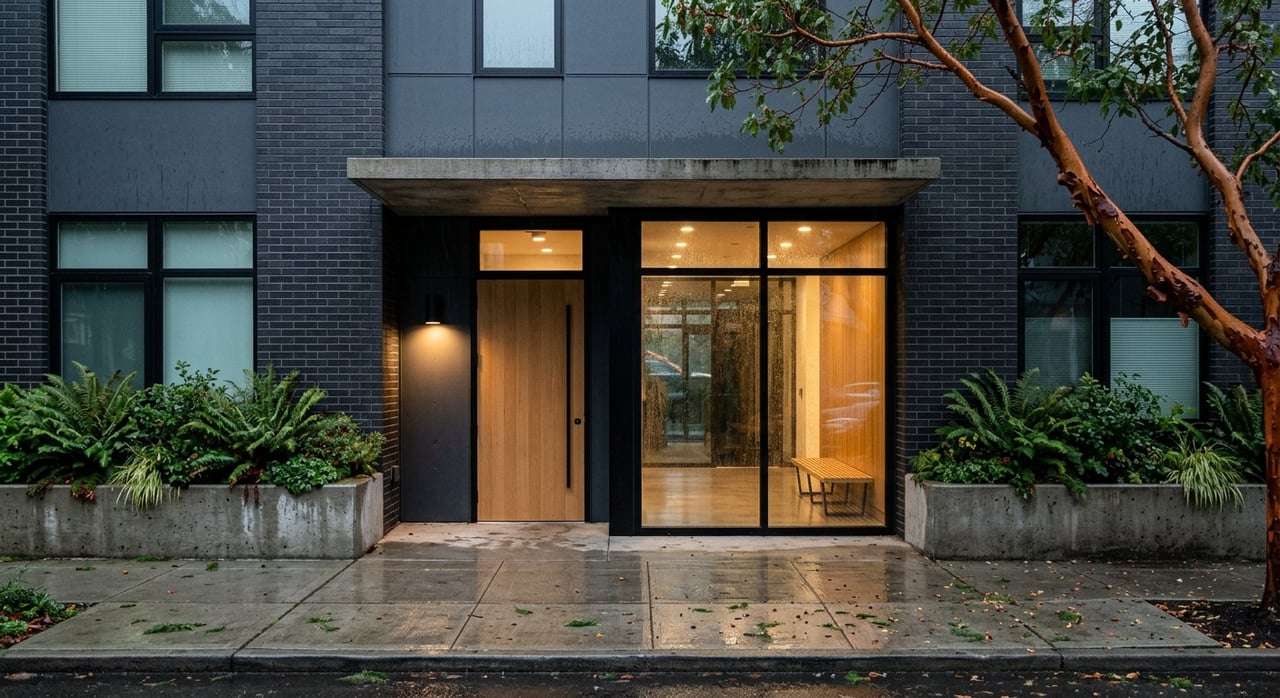
Condos often make the most sense if you want an urban lifestyle with easier access to transit, restaurants, offices, and day-to-day conveniences. In Seattle, condo inventory is especially visible in core neighborhoods like Downtown Seattle, Belltown, Lower Queen Anne, First Hill, and Queen Anne.
These neighborhoods also show very high walkability. Downtown Seattle, Belltown, and First Hill each have a Walk Score of 98, while Lower Queen Anne sits at 92.
If your ideal routine includes walking to coffee, hopping on transit, and spending less time on exterior upkeep, a condo may match your lifestyle well. For many first-time buyers, that convenience can outweigh having less private outdoor space.
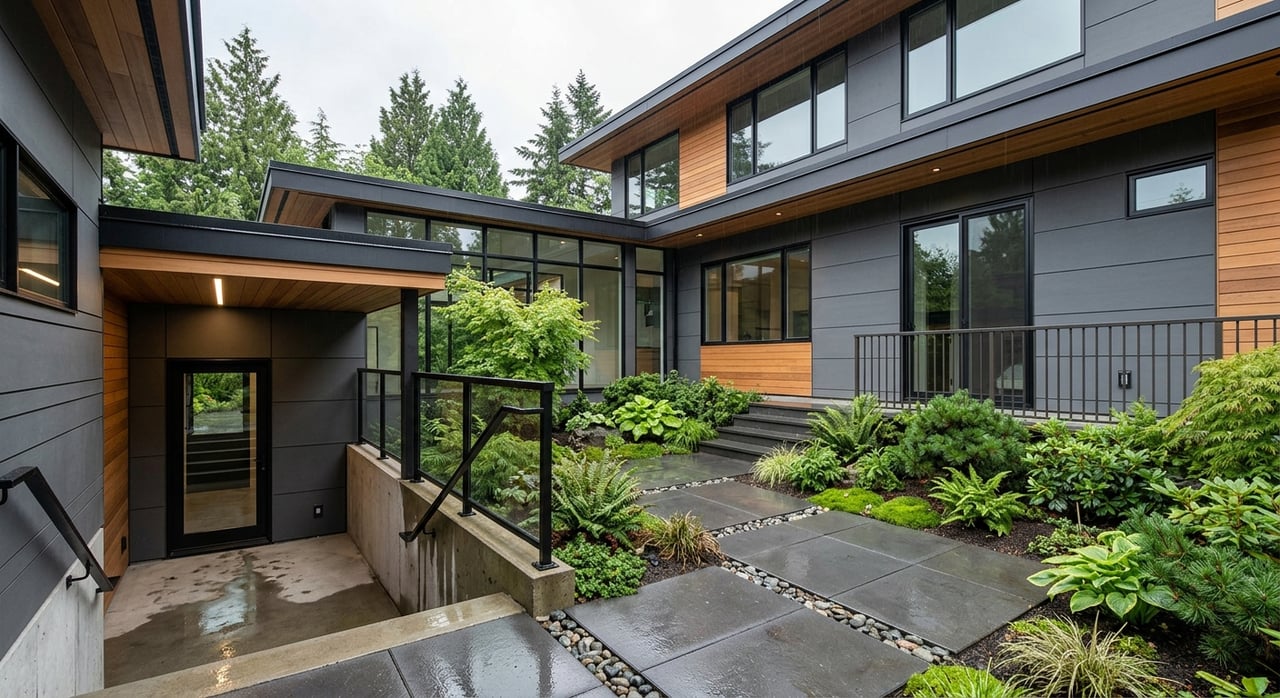
Townhomes often appeal to buyers who want a more house-like feel without leaving Seattle. They are common in neighborhoods like Fremont, Capitol Hill, Queen Anne, Magnolia, Ballard, Beacon Hill, Green Lake, Laurelhurst, West Seattle, and Wallingford.
That wider spread is useful to know because it shows townhomes are not just a suburban option. In Seattle, they are very much part of the in-city housing mix.
Many first-time buyers are drawn to townhomes because they often offer more separation from neighbors, multiple levels, and a layout that feels more like a standalone home. In current Seattle listings, townhomes are also showing a median time on market of 39 days, compared with 47 days for condos.
One of the biggest mistakes first-time buyers make is assuming condos always mean low maintenance and townhomes always mean more independence. In Seattle, the real answer depends on the recorded declaration and association documents.
For condos, Washington law generally says the association maintains, repairs, and replaces common elements, while each owner maintains their own unit unless the declaration says something different. Reserve studies are also designed to plan for major shared expenses such as roofing, painting, paving, decks, siding, plumbing, and windows.
For townhomes, the maintenance split can vary a lot from one project to another. Shared walls, shared driveways, or similar covenants do not automatically create a common interest community in Washington.
That means one Seattle townhome may come with an HOA handling major exterior items, while another may leave more of those responsibilities to you. Before you decide, make sure you know who is responsible for the roof, siding, windows, landscaping, decks, and any shared access areas.
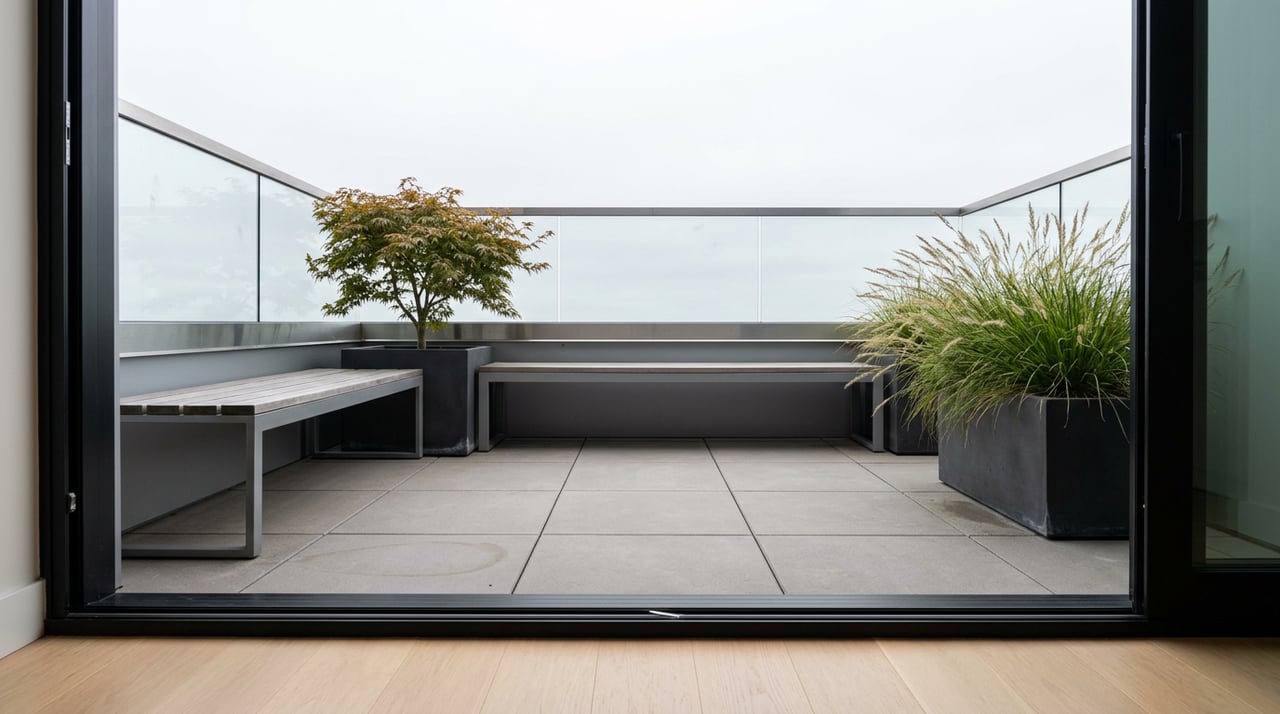
If privacy and outdoor living rank high on your list, townhomes often have an edge. Current Seattle townhome listings commonly highlight features like private rooftop decks, private balconies, and quieter residential settings.
Condos, by contrast, often trade some private outdoor space for shared amenities and less exterior upkeep. A Seattle condo may offer amenities tied to the building or community rather than fully private outdoor areas.
That is not automatically better or worse. It comes down to how you want to live.
If you would rather maintain less and enjoy shared amenities, a condo may feel like a smart fit. If you want a little more separation and private outdoor space, a townhome may be worth the higher price point.
For first-time buyers, this is where the choice gets more serious. A condo purchase is not only about the unit itself. It is also about the health of the project.
Washington resale certificate rules require disclosure of assessments, special assessments, reserve study status, annual financials, insurance, judgments, and other project-level issues. That means a condo with a lower list price could still carry future costs if the reserve fund is weak or if major repairs are looming.
Lenders may also look at project-level risk, not just your personal qualifications. So if the association has financial or insurance concerns, that can affect financing and future resale.
Townhomes can sometimes feel easier to evaluate because they resemble single-family homes more closely. Still, financing depends on the project structure.
If a townhome is legally condo-form ownership, it may still face condo-style project review. If it is fee-simple or part of a simpler HOA structure, the path may be more straightforward. Once again, the documents matter more than the marketing.
No matter which direction you are leaning, ask these questions before you move forward:
These questions can help you compare two properties that may look similar online but function very differently once you own them.
There is no universal winner between a condo and a townhome in Seattle. The better choice depends on what matters most to you.
A condo may be the better fit if you want:
A townhome may be the better fit if you want:
For many buyers, the decision comes down to this: do you want convenience and lower maintenance, or more space and separation? Once you answer that, the home search becomes much more focused.
Seattle buyers are not just comparing floor plans. You are comparing ownership structures, HOA responsibilities, neighborhood tradeoffs, and future resale risk.
That is why having clear, patient guidance matters so much, especially if this is your first purchase. A thoughtful review of listing details, resale documents, and neighborhood fit can help you avoid surprises and buy with more confidence.
If you are weighing condos versus townhomes in Seattle, The Koi Group can help you compare your options, understand the fine print, and find the right fit for your lifestyle and budget.
Stay up to date on the latest real estate trends.