ADU Rules in West Seattle: A Practical Guide for Homeowners
December 18, 2025
December 18, 2025
Thinking about adding an ADU to your West Seattle home? You are not alone. Many homeowners want flexible space for family, work-from-home needs, or steady rental income. The process can feel complex, especially with Seattle’s permitting rules and West Seattle’s unique lots. This guide shows you what to expect, what to check on your property, and how an ADU could affect resale and rental options. Let’s dive in.
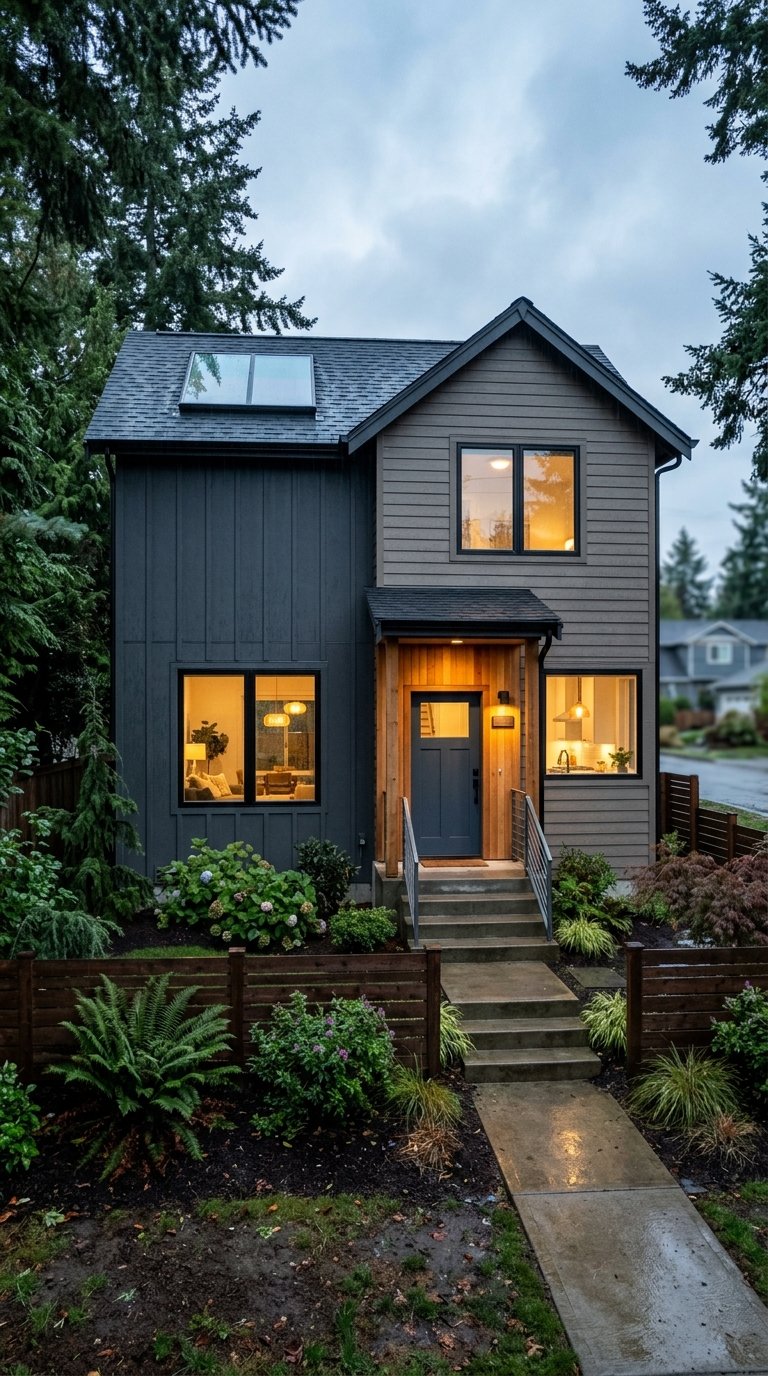
An accessory dwelling unit is a smaller, independent home on the same lot as your main house. It has its own sleeping, cooking, and bathing facilities. Common types are internal units in a basement or portion of your home, attached ADUs that share a wall, and detached backyard cottages. All are secondary to the main home.
In Seattle, ADUs can be allowed on single-family lots if they meet the city’s development standards and pass permitting. The Seattle Department of Construction & Inspections (SDCI) is the permitting authority. For the most current rules, application checklists, and submittal guidance, review Seattle’s ADU guidance.
Standards cover maximum size, height, setbacks, separation from the main house, and lot coverage. These numbers vary by zoning, lot size, and site features, and they have been updated several times. Rather than rely on outdated figures, go straight to SDCI’s current resources and confirm any numeric limits or exceptions for your address. You can start at SDCI’s ADU page.
Seattle has relaxed or removed some parking requirements for ADUs in single-family areas. Confirm current parking rules for your lot with SDCI before you design. Almost every ADU needs building, electrical, plumbing, and mechanical permits. Interior conversions may have a simpler review path than new detached cottages, but both require code-compliant plans and inspections.
West Seattle has many sloped lots and walk-out basements. That can make a basement conversion efficient, since some structure already exists. Slopes also mean you should plan for drainage, foundation upgrades, stairs, and potential grading. An early site review can prevent surprises during permitting.
Detached garages and alley access are common in several West Seattle pockets. If setbacks and lot coverage allow it, converting a garage or building a backyard cottage off an alley can be an efficient layout. Alleys can simplify access and utility routing, but confirm separation and height limits with SDCI.
Narrow or smaller lots can limit cottage footprints and height options. Mature trees and canopy are common in West Seattle, and tree protection rules may affect where you can build and how you manage roots and canopy. If a regulated tree is involved, plan for arborist input and possible mitigation during permit review.
Some properties fall under historic or neighborhood design overlays. These areas may require extra review, especially for exterior changes or detached new construction. Before you design an addition or a cottage, check your property’s status through the Seattle Department of Neighborhoods’ historic district maps.
Most West Seattle homes are on municipal water and sewer. Verify the location and capacity of your sewer connection, especially for a detached cottage. If you are in a rare situation with a private septic system, state and county health rules apply. For connection locations, fees, or capacity questions, contact Seattle Public Utilities’ water and sewer services.
Interior conversions often move faster than detached new builds. Slopes, tree protection, utilities, or historic review can add steps. Plan review times vary with project complexity and how complete your plans are. Ask SDCI for current estimates early in your planning.
Budget depends on scope and site. Major influences include structural work like new foundations, grading, or retaining walls, new or upgraded utility connections, kitchen and bath finishes, HVAC systems, and any mitigation for trees or stormwater. City and utility fees also contribute. Get multiple contractor estimates once you have a preliminary design.
An architect or designer who knows Seattle’s ADU rules can help you design within standards and streamline permits. A licensed general contractor is essential for quality and code compliance. If you have slope, drainage, or structural questions, plan to involve civil and structural engineers. Some owners also use a permit expediter to manage submittals and corrections.
Adding a rentable unit can change your insurance needs. Talk with your insurer about coverage for a rented ADU and liability limits. If you have a mortgage, read your loan documents and notify your lender if required for substantial improvements.
An ADU can boost your property’s utility, which can appeal to a wider set of buyers. Uses include multigenerational living, offsetting payments with rental income, or a dedicated home office. The size of the value uplift varies by neighborhood, ADU quality, and local rental demand. West Seattle buyers have shown strong interest in flexible space in recent years, but the market changes. Ask a local broker for current comps to estimate resale impact.
Long-term rentals can provide steady income if you follow Seattle and Washington landlord-tenant rules. Short-term rentals have their own city regulations, operator registration, and tax collection rules. Review Seattle’s short-term rental regulations if you are considering nightly or monthly stays. Also confirm whether any city rental registration requirements apply to your setup.
An ADU is an improvement that can increase your assessed value. The King County Assessor will update your assessment after improvements are recorded, which can change property taxes. Timing can vary by assessment cycle or sale. For specifics, contact the King County Assessor and ask about any applicable programs or exemptions.
If you rent an ADU, you may need landlord coverage or higher liability limits. Short-term rentals can come with additional risk and different insurance requirements. Review your coverage with your agent and consider how tenant mix and lease terms affect your risk profile.
Building an ADU in West Seattle is doable with a clear plan and the right team. Start with SDCI’s ADU resources, confirm your lot’s constraints, and get expert design help to avoid costly revisions. If you want to understand how an ADU could affect your home’s value or buyer demand, we are happy to share current West Seattle comps and market context.
When you are ready, reach out to The Koi Group for local guidance and a friendly, step-by-step plan. We can connect you with trusted designers and contractors, and help you evaluate resale and rental scenarios with real data. If you are curious about your home’s current value before you begin, get your instant home valuation with The Koi Group.
Stay up to date on the latest real estate trends.