What Day-To-Day Life Is Like On Acreage In Woodinville
June 11, 2026
June 11, 2026
If you have ever wondered whether acreage in Woodinville feels like a peaceful retreat or a full-time project, the honest answer is both. You may be drawn to the extra space, privacy, and room to spread out, but day-to-day life also comes with land-use rules, property upkeep, and a more car-dependent routine than the winery-town image suggests. This guide will help you picture what everyday living on acreage in Woodinville really looks like, so you can decide whether the lifestyle fits your goals. Let’s dive in.
One of the biggest draws of acreage in Woodinville is the sense of breathing room. King County describes Woodinville as a place with rural character and urban amenities, which is a helpful way to think about the lifestyle. You can have more privacy and open space while still being connected to dining, recreation, and everyday conveniences.
That balance is part of what makes Woodinville stand out. The area is known for more than 100 wineries, breweries, and distilleries, and the Sammamish River Trail runs through Woodinville near parks and tasting-room areas. So even if your home sits on a larger parcel, your weekends can still feel active and connected.
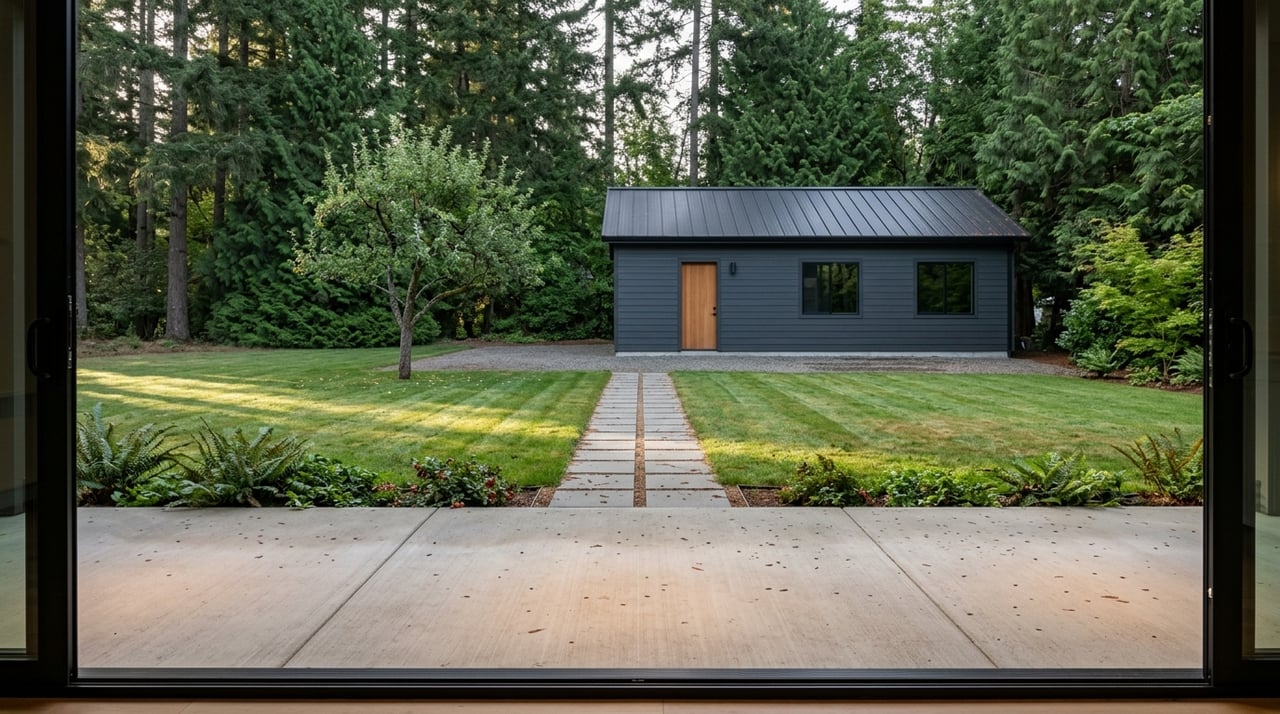
On acreage, your property tends to play a bigger role in your everyday routine. Instead of simply having a backyard, you may have outdoor space for storage, gardening, hobbies, or a little more separation from neighbors. The appeal is not just the size of the land, but how it changes the way you use your home.
That said, larger parcels do not mean unlimited freedom. In unincorporated King County, zoning and land-use rules control what you can build and how you can use the property. Some homes marketed as Woodinville are actually outside the city limits, so the exact parcel location matters more than many buyers expect.
If you are dreaming about a shop, studio, or multigenerational setup, zoning is one of the first things to review. King County allows some limited home occupations in rural and residential zones, but it does not allow heavier uses such as truck repair, auto body work, heavy-equipment storage, and certain lodging or storage businesses. In real life, that means the property may feel flexible, but not anything-goes flexible.
For buyers who want a detached ADU, the lot must meet zone-specific minimum sizes. King County states that detached ADUs are allowed only on lots meeting those thresholds, which range from 1.875 acres in RA-2.5 to 35 acres in A-35. Two homes that both look like “acreage properties” online can offer very different options once zoning and lot size are verified.
The everyday difference many buyers feel most is maintenance. A larger parcel often means more landscaping, more seasonal cleanup, and more planning around how the land functions. The lifestyle can be peaceful, but it is rarely low-effort.
If the home uses septic, that workload becomes even more important. King County notes that landscaping must be planned around the tank, drainfield, reserve area, and hard surfaces like driveways or patios so the system can keep working properly. In practice, your yard is not just decorative space. It can also be part of the property’s infrastructure.
For many acreage owners, septic care is simply part of homeownership. King County says conventional gravity systems need inspection every three years, while other septic system types generally need inspection every six months. Septic tanks also usually need pumping every three to five years depending on use.
That may sound like a lot at first, but regular inspections can help catch small issues before they become larger repairs. If you are moving from a more typical suburban home with public sewer, this is one of the biggest lifestyle shifts to understand early. It is less about fear and more about being prepared.
Acreage homes in Woodinville do not all function the same way behind the scenes. Some properties may have public water or sewer access, while others rely on on-site systems. That is why utility research matters so much before you fall in love with a property.
The Woodinville Water District serves parts of the area, but not every parcel in and around Woodinville is served the same way. The district also notes that it does not control zoning or development approval. For you as a buyer, that means it is smart to confirm water, sewer, and other utility details instead of assuming the home operates like a standard neighborhood property.
Woodinville can look pastoral, but many daily routines still revolve around driving. WSDOT identifies SR 522 as the main north-south connection between Bothell, Woodinville, and Monroe, and the corridor carries a large amount of commuter traffic in the morning and evening. If you work on the Eastside or travel often for errands, that traffic reality becomes part of daily life.
Transit options do exist, but they may not fully replace a car for many acreage households. Sound Transit’s ST Express Route 522 serves Woodinville to Roosevelt, and the future Stride S3 line is planned to connect at the Bothell/Woodinville Transit Center. Even with those improvements, many acreage owners will still find that driving remains the most practical choice for a lot of trips.
Acreage living is not just about the home you buy today. It is also about how the broader area is planning for growth, access, and infrastructure over time. Woodinville’s transportation planning focuses on walking, biking, transit access, and roadway capacity, and the city is updating its 2044 comprehensive plan across land use, housing, parks, utilities, and transportation.
That matters because larger parcels sit within a changing region. Even if your home feels quiet and tucked away, the larger community around it may continue to evolve. Buyers who understand both the property and the planning context usually make more confident decisions.
Acreage and large-lot homes are a smaller slice of the Woodinville market. Zillow’s Woodinville home-value index placed the typical home value at $1,400,305 as of April 30, 2026. Realtor.com described the city as a seller’s market in March 2026, with median days on market of 26 and homes selling for about asking price on average.
Within that broader market, acreage tends to attract a narrower buyer pool and often sits in a higher price tier. Public listing searches currently show dozens of large-lot homes and a smaller number of land listings, including multi-acre parcels and several multi-million-dollar properties. So when you shop for acreage, you are usually shopping in a more specialized segment where parcel details carry a lot of weight.
For the right buyer, acreage in Woodinville can feel like the best of both worlds. You get more privacy, more breathing room, and a property that may support uses a smaller suburban lot cannot. You may also enjoy being close to trails, wine-country amenities, and the broader Eastside while still having a home that feels tucked away.
The tradeoff is that acreage asks more of you. You need to pay attention to zoning, utilities, septic systems, access, and commute patterns in a way that is less common on a typical residential lot. In short, the lifestyle can be rewarding, but it works best when you go in with clear eyes.
If you are considering acreage in Woodinville, the smartest move is to look beyond the photos and focus on how the property will function for your real day-to-day life. The right parcel can be a wonderful fit, but the details matter. If you want thoughtful, local guidance as you compare homes and evaluate what fits your lifestyle, The Koi Group is here to help.
Stay up to date on the latest real estate trends.